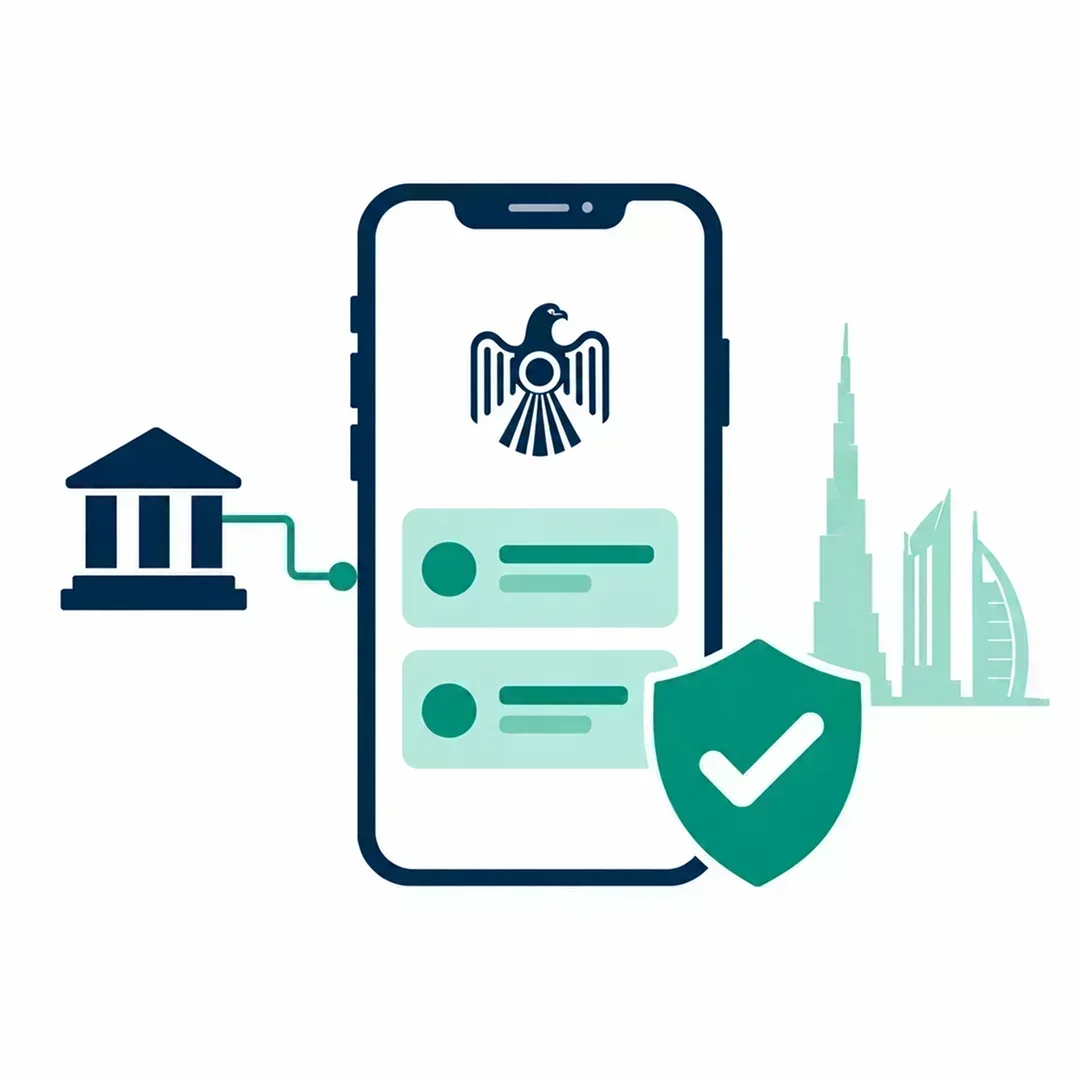
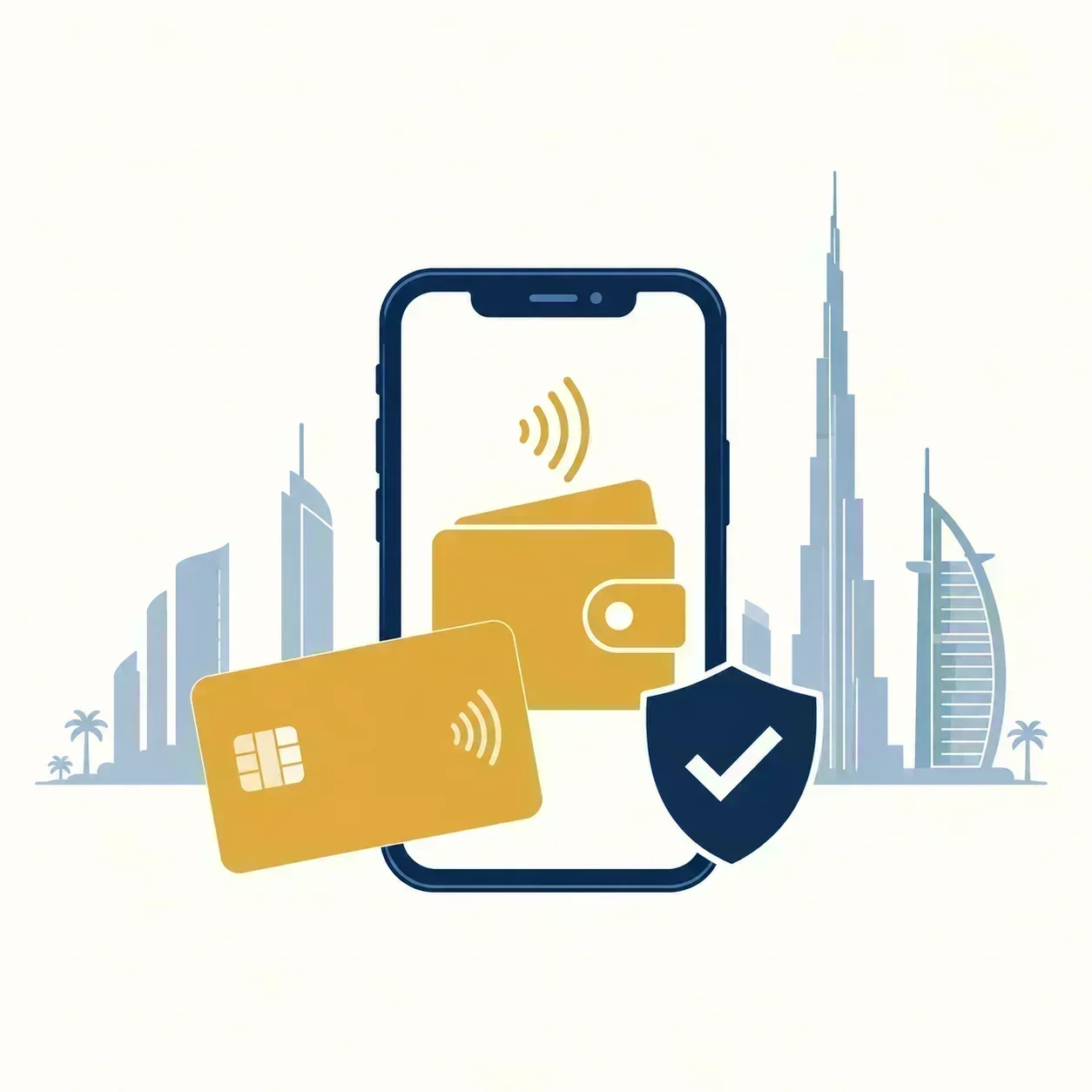
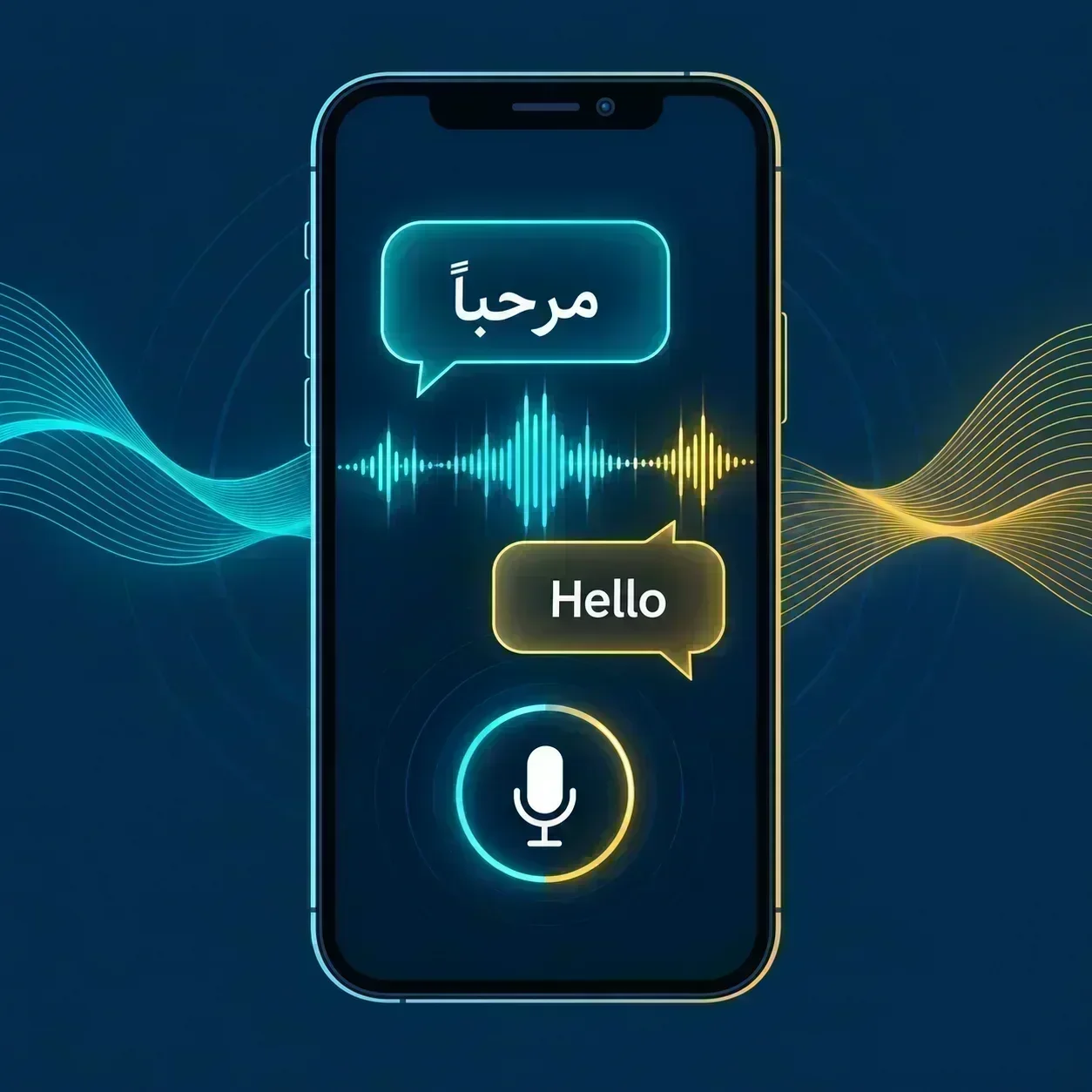
The digital landscape of 2026 has officially moved beyond "mobile-first" to "mobile-only" for a vast majority of global consumers. As we navigate this year, the statistics are staggering: mobile commerce (m-commerce) now accounts for over 75% of total e-commerce sales worldwide. The convenience of biometric payments, the integration of 6G-ready interfaces, and the sheer ubiquity of smartphones have turned the pocket-sized screen into the primary storefront of the modern era.
In 2026, the success of a retail business isn't just about having a website; it’s about how deeply you can integrate into the user’s daily digital habits. Why are mobile apps so critical today? Unlike responsive websites, apps offer a level of intimacy and technical capability such as offline access, advanced haptics, and deep-learning personalization that web browsers simply cannot match. An app isn't just a shopping tool; it’s a direct, unmediated communication channel between your brand and your customer.
This guide serves as your comprehensive roadmap for navigating the complexities of e-commerce app development this year. We will dive deep into various app categories, identify the non-negotiable features for 2026, outline a foolproof development process, and explore the cutting-edge trends like AR try-ons and blockchain-backed security that are defining the current market. Whether you are a scrappy startup or a legacy enterprise, this guide provides the expert insights and technical frameworks needed to build a high-converting mobile powerhouse.
What Is an E-Commerce Mobile App?
Definition and Purpose
An e-commerce mobile app is a specialized software application designed to facilitate the buying and selling of goods and services via mobile devices like smartphones and tablets. In 2026, the "purpose" of these apps has evolved. While they originally served as mere digital catalogs, they now function as comprehensive ecosystems. Their primary goal is to provide a friction-free, personalized, and immersive shopping journey that leverages the unique hardware capabilities of a mobile device (GPS, camera, sensors) to enhance the retail experience.
Difference Between Mobile App and Mobile-Optimized Website
While both are accessible via a smartphone, the technical and experiential differences are profound. A mobile-optimized website is a version of your desktop site designed to look good on a small screen, accessed via a browser like Chrome or Safari. However, a mobile app is an installed piece of software.
- Performance: Apps run much faster because they store data locally on the device, whereas websites must pull every asset from a server.
- Capabilities: Apps can access device features like the camera for AR, the microphone for voice search, and push notifications for instant alerts.
- User Retention: Apps live on the home screen, providing a constant visual reminder of the brand, leading to significantly higher retention rates than transient browser tabs.
Benefits for Businesses and Customers
For businesses, the benefits are rooted in data and loyalty. Apps provide deeper analytics into user behavior, allowing for hyper-targeted marketing. They also boast higher conversion rates often 3x higher than mobile websites due to streamlined checkout processes and stored payment information.
For customers, the benefit is centered on "Zero Friction." Features like one-tap ordering, real-time order tracking, and personalized feeds tailored to their specific tastes make shopping an effortless task rather than a chore. In 2026, customers also value the "anywhere, anytime" nature of apps, allowing them to shop during commutes or in the middle of a physical store to compare prices and reviews.
Categories of E-Commerce Mobile Apps
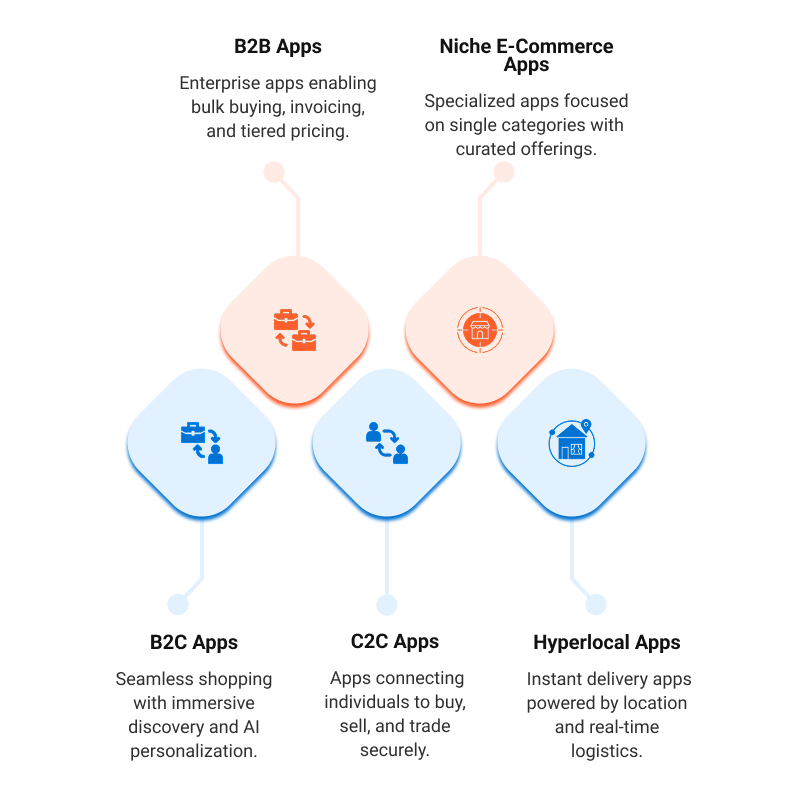
B2C (Business-to-Consumer) Apps
The most common form of e-commerce, B2C apps facilitate a direct transaction between a retail brand and an individual shopper.
- Examples: Amazon continues to dominate with its "everything store" model, while Zara represents the high-end retail sector with a focus on visual aesthetics and rapid fashion cycles.
- Features: These apps prioritize a seamless product catalog with high-resolution media and personalized recommendations driven by AI that predicts what a user wants before they even know it.
B2B (Business-to-Business) Apps
B2B apps are designed for companies to purchase materials or products from other companies. This sector has seen massive growth in 2026 as procurement officers move away from legacy desktop portals.
- Examples: Alibaba remains the gold standard for global sourcing, while IndiaMART serves as a massive hub for regional manufacturing and supply.
- Features: Crucial functionalities include bulk order capabilities, automated invoicing, and business pricing tiers that fluctuate based on volume or contract terms.
C2C (Consumer-to-Consumer) Apps
These apps act as a marketplace where individuals sell to other individuals. The "circular economy" trend of 2026 has made C2C apps more popular than ever.
- Examples: eBay still leads the auction-style market, while OLX and Vinted dominate the local and second-hand fashion spaces.
- Features: The pillars here are peer-to-peer listings (making it easy for anyone to upload a photo and sell) and secure escrow payments to ensure trust between strangers.
Niche E-Commerce Apps
Instead of selling everything, these apps focus on a specific vertical.
- Fashion: Apps like ASOS or Farfetch focusing on curated styles.
- Groceries: Services like Ocado or specialized organic food apps.
- Electronics: B&H Photo or specialized PC building apps.
- Subscription-based Models: Apps like Dollar Shave Club or specialized "Mystery Box" services that charge a recurring fee.
On-Demand & Hyperlocal Apps
These apps satisfy the need for "instant gratification," delivering goods within minutes or hours from local vendors.
- Examples: Instacart for groceries and Dunzo or Gopuff for miscellaneous errands and snacks.
- Features: These apps rely heavily on location-based services (LBS) to show users what is nearby and real-time delivery tracking using GPS so users can watch their courier on a map in real-time.
Must-Have Features of a Modern E-Commerce Mobile App
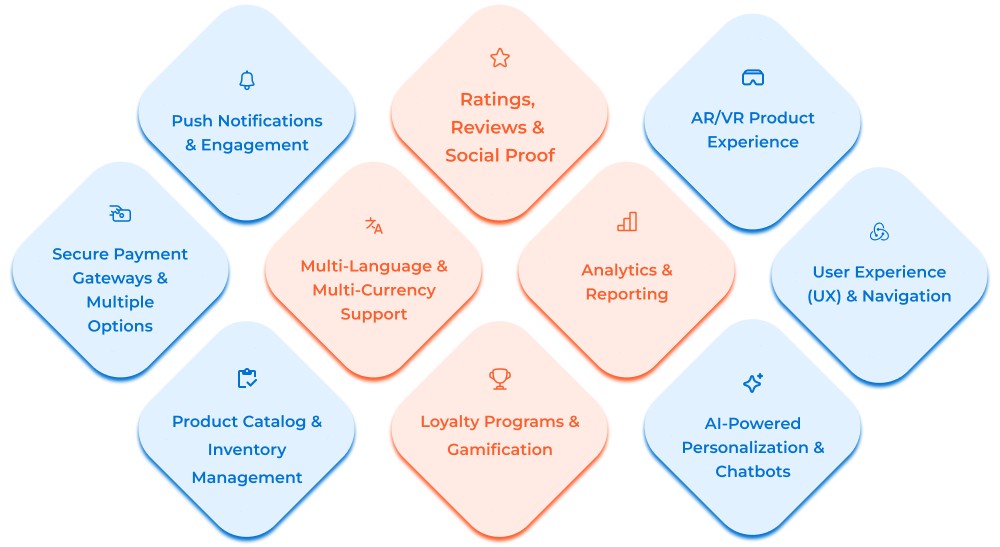
User Experience (UX) & Navigation
In 2026, UX is no longer just about "looking good" it’s about anticipatory design. Navigation must be thumb-friendly, with a "bottom-bar" focused layout. Gestures like swiping to save or double-tapping to like have become industry standards. A "Guest Checkout" option is no longer optional; it's a requirement to prevent cart abandonment.
Secure Payment Gateways & Multiple Options
Security is the bedrock of trust. Beyond standard credit cards, apps must support Apple Pay, Google Pay, and PayPal. In 2026, we also see the integration of Central Bank Digital Currencies (CBDCs) and "Buy Now, Pay Later" (BNPL) options like Klarna or Affirm integrated directly into the checkout flow.
Product Catalog & Inventory Management
The catalog must be dynamic. If an item goes out of stock, the app should automatically suggest a "Notify Me" button or a similar alternative. High-quality zoom, 360-degree views, and video snippets of products are essential for bridging the gap between digital and physical shopping.
Push Notifications & Engagement
Gone are the days of spamming users. Modern push notifications are highly contextual. For example, "Your favorite item is back in stock and you are only 2 miles away from our downtown store!" This level of relevance ensures high open rates and avoids the dreaded "Uninstall."
Ratings, Reviews & Social Proof
Users trust other users more than brands. Integrating a robust review system that allows for photo and video reviews is vital. Social proof elements, such as "50 people bought this in the last hour," create a sense of urgency and community trust.
Multi-Language & Multi-Currency Support
If you plan to scale, you must speak your customer's language literally. Dynamic currency conversion based on the user's IP address and localized content that respects cultural nuances (like right-to-left text for Arabic) are keys to global success.
Loyalty Programs & Gamification
Retention is cheaper than acquisition. Use gamification like progress bars, badges for "Elite Shoppers," or "Spin the Wheel" daily rewards to keep users coming back. A points-based system that offers real value (discounts or early access) creates a "sticky" app experience.
Analytics & Reporting
For the business owner, the app must provide a dashboard of KPIs: Customer Acquisition Cost (CAC), Lifetime Value (LTV), and Churn Rate. Modern apps use heatmaps to see exactly where users are clicking and where they are getting frustrated.
AR/VR Product Experience (Modern Touch)
Augmented Reality (AR) has transitioned from a gimmick to a necessity. Whether it’s "placing" a sofa in your living room or "trying on" a pair of sunglasses using the front-facing camera, AR reduces return rates by giving customers a realistic expectation of the product.
AI-Powered Personalization & Chatbots
AI doesn't just recommend products; it curates the entire app experience. The home screen for User A should look entirely different from User B’s. Additionally, AI Chatbots now handle 90% of customer service inquiries, providing instant answers about shipping status or return policies 24/7.
How to Build the Best E-Commerce Mobile App
Step 1 – Define Your Target Audience
You cannot build for everyone. Are you targeting Gen Z shoppers who value sustainability and social proof, or B2B procurement managers who value efficiency and data integration? Create detailed user personas that include demographics, pain points, and digital habits.
Step 2 – Choose App Type: Native, Hybrid, Cross-Platform
- Native (Swift/Kotlin): Best for high performance and complex AR features.
- Cross-Platform (Flutter/React Native): The most popular choice for 2026. It allows for a single codebase that runs on both iOS and Android, significantly reducing costs and time-to-market without sacrificing much performance.
- Hybrid: Essentially a website in an app "wrapper." Generally avoided in 2026 for high-end e-commerce due to slower speeds.
Step 3 – UX/UI Design Strategy
Modern trends focus on Minimalism (clean lines, lots of white space) to reduce cognitive load. Dark Mode is a standard requirement for battery saving and eye comfort. We also focus on Micro-Interactions the small animations like a "heart" popping when you like an item that make the app feel alive and responsive.
Step 4 – App Development & Tech Stack
This is where the "heavy lifting" happens. A typical 2026 tech stack might include:
- Frontend: Flutter or React Native.
- Backend: Node.js or Python (FastAPI) for the API.
- Database: PostgreSQL or MongoDB for flexible product data.
- Cloud: AWS or Google Cloud for scalable hosting and AI services.
Step 5 – Testing & Quality Assurance
You must test for everything: load testing (can the app handle a Black Friday surge?), security testing (is user data safe?), and usability testing. In 2026, automated AI testing is used to simulate thousands of user paths to find bugs before they hit the public.
Step 6 – Deployment & App Store Launch
Launching on the Apple App Store and Google Play Store requires meeting strict guidelines. You need high-quality screenshots, a compelling video trailer, and a clear privacy policy. App Store Optimization (ASO) is critical here using the right keywords so people can actually find your app.
Step 7 – Post-Launch Optimization & Updates
The launch is just the beginning. Use A/B testing to try different checkout buttons, monitor crash reports, and listen to user feedback. Regular updates (at least once a month) show users that the brand is active and cares about the experience.
Modern Trends in E-Commerce Mobile App Development
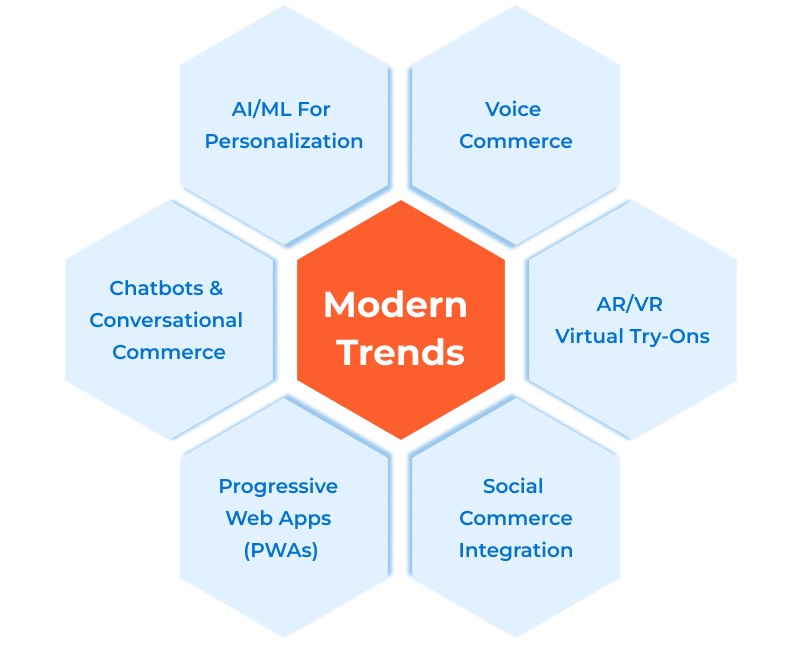
AI/ML for Personalization
Machine learning models now analyze "micro-signals" how long you linger on a photo, what time of day you shop to create a bespoke shopping feed. This "Hyper-Personalization" is the biggest driver of revenue in 2026.
Voice commerce
With the improvement of voice assistants, "Voice Search" and "Voice Ordering" are becoming mainstream. Users can say, "Hey [App Name], reorder the coffee I bought last month," making the shopping process completely hands-free.
AR/VR Virtual Try-ons
Virtual fitting rooms are now standard in fashion apps. Using sophisticated body-mapping technology, apps can suggest the perfect size, reducing the massive environmental and financial cost of returns.
Social commerce integration
The line between social media and e-commerce has vanished. Apps now feature "Shoppable Livestreams" where influencers showcase products and users can buy them with one tap without leaving the video feed.
Progressive Web Apps (PWAs)
PWAs offer an "app-like" experience through a web browser. They are lightweight and great for markets with poor internet connectivity, providing a middle ground for businesses that aren't ready for a full native app.
Chatbots & Conversational Commerce
Chatbots have moved beyond simple scripts. In 2026, they use Large Language Models (LLMs) to hold genuine conversations, acting as "Digital Personal Shoppers" that can suggest outfits or troubleshoot complex technical orders.
Monetization Strategies for E-Commerce Apps
Direct Sales
The most straightforward model: you sell a product, and the user pays for it. Profit margins are determined by your supply chain and operational efficiency.
Subscription/Membership Models
Inspired by Amazon Prime, many apps now offer "VIP Memberships." For a monthly fee, users get free shipping, early access to sales, and exclusive products. This provides the business with predictable recurring revenue.
In-app Advertising & Sponsored Listings
If you run a marketplace, you can charge sellers to appear at the top of search results. This is a massive revenue stream for platforms like Amazon and Etsy.
Affiliate Marketing
Even if you don't own inventory, your app can curate products from other stores and earn a commission on every sale directed through your platform.
Flash Sales & Limited-Time Offers
Using "Scarcity" as a monetization tool. Exclusive, time-sensitive drops (common in "Sneakerhead" culture) drive massive bursts of traffic and high-margin sales.
Security & Compliance
Data Encryption (SSL/TLS)
Every piece of data, from a user's password to their browsing history, must be encrypted in transit and at rest. In 2026, End-to-End Encryption (E2EE) for customer support chats is also a standard expectation.
GDPR, CCPA Compliance
Legal compliance is non-negotiable. You must provide users with the "Right to be Forgotten" and clear "Opt-out" options for data tracking. Fines for non-compliance can be bankrupting for small to mid-sized businesses.
Payment Security (PCI DSS)
The Payment Card Industry Data Security Standard (PCI DSS) ensures that all companies that accept, process, store, or transmit credit card information maintain a secure environment. Most modern apps use third-party processors like Stripe to handle this complexity.
Two-factor authentication & Fraud Detection
Biometric login (FaceID/Fingerprint) combined with 2FA (Two-Factor Authentication) is the gold standard. Additionally, AI-based fraud detection monitors for suspicious patterns like a sudden high-value order from a new IP address to protect both the business and the consumer.
Best Practices for Successful E-Commerce App Development
Lightweight, Fast Apps
In an age of instant gratification, a 3-second lag is an eternity. Optimize your image assets and use Lazy Loading (loading content only as the user scrolls) to ensure the app feels snappy even on older devices.
Analytics-Driven Personalization
Don't guess what your users want; look at the data. Use tools like Mixpanel or Firebase to track the user journey and identify where people are dropping off.
Offline Browsing & Caching
Allow users to browse their "Wishlist" or "Saved Items" even when they don't have an internet connection (e.g., on a plane or in a subway). The app should sync automatically once the connection is restored.
Regular Updates and Bug Fixes
A stagnant app is a dying app. Regular updates not only fix bugs but also signal to the App Store algorithms that your app is well-maintained, which helps with your search ranking.
Push Notifications for Engagement
Use "Rich Push" notifications that include images or even mini-carousels of products. Timing is everything don't send a notification at 3:00 AM; send it when they usually browse.
Loyalty & Rewards Programs
Make the rewards tangible. Whether it's "Buy 10, Get 1 Free" or a cashback system, ensure the user feels they are getting a "deal" by using the app instead of the website.
Future of E-Commerce Mobile Apps
AI-Driven Dynamic Pricing
In the future, prices won't be static. They will fluctuate in real-time based on demand, inventory levels, and even individual user loyalty. While controversial, this allows for maximum inventory turnover.
Blockchain for Secure Transactions
Blockchain will move beyond crypto to provide "Smart Contracts" for high-value items, ensuring the authenticity of luxury goods and providing an unchangeable record of ownership and shipping history.
IoT Integration for Inventory and Delivery
Imagine your "Smart Fridge" telling your grocery app that you are low on milk, and the app automatically placing the order. This Internet of Things (IoT) integration is the next frontier of "Invisible Commerce."
Hyperlocal Shopping
The "15-minute city" concept will drive apps to focus even more on what is available within a 1-2 mile radius, using drones or autonomous robots for near-instant delivery.
Wearables and Smart Device Integration
Shopping via Apple Vision Pro or smartwatches will become more seamless. You might see an item in the physical world, "tap" your glasses to identify it, and "swipe" your watch to buy it instantly.
Case Studies: Real-World E-Commerce App Success Stories
1. Starbucks – Turning Coffee into a Digital Habit
Walk into any Starbucks store today, and you’ll notice something interesting many customers don’t even stand in line. They walk in, pick up their order, and leave. That seamless experience is powered by Starbucks’ mobile app.
Instead of treating the app as just another ordering tool, Starbucks built an entire digital ecosystem around convenience and loyalty. Users can order ahead, pay instantly, and earn rewards all within seconds. Over time, the app learns user preferences and starts offering personalized deals, making each interaction feel tailored.
What makes this powerful is not just convenience, but habit formation. The app becomes part of the user’s daily routine almost like their morning coffee itself. (Reference)
Real Impact:
- Over 25 million active users in the U.S.
- Nearly 50% of revenue driven by loyalty members
- Mobile ordering accounts for a significant share of total transactions
2. IKEA – Solving a Real Customer Pain with AR
Buying furniture online has always been tricky. Will it fit? Will it match your room? Will it even look good?
IKEA tackled this exact problem with its IKEA Place app, which uses augmented reality (AR) to let users virtually place furniture in their own space. Instead of guessing, customers can now see exactly how a sofa or table will look in their living room before buying it.
This isn’t just a “cool feature” it directly addresses customer hesitation. When people feel more confident, they’re far more likely to complete a purchase. (Reference)
Real Impact:
- Over 30 million downloads globally
- Higher engagement and purchase confidence
- Significant reduction in product returns
Expert Quotes
“Companies that excel at personalization generate 40% more revenue from those activities than average players." — McKinsey & Company
“We see our customers as invited guests to a party, and we are the hosts.” — Jeff Bezos
“Augmented reality will be a key part of the future of retail.” — Tim Cook
Conclusion
In 2026, investing in e-commerce mobile app development is essential for businesses that want to stay competitive and deliver seamless, personalized shopping experiences. With the right features, technology, and strategy, your app can drive higher engagement, conversions, and long-term customer loyalty.
At TechQware, we help you turn your vision into a powerful, scalable mobile app with expert design, modern tech stacks, and end-to-end development support ensuring your business is ready for the future of mobile commerce.

 TechQware