Android healthcare app development is the process of building mobile applications for the Android operating system that support healthcare services such as telemedicine, remote patient monitoring, appointment scheduling, and electronic health record (EHR) access. These applications help healthcare providers improve patient engagement, streamline clinical workflows, and deliver medical services remotely.
Healthcare organizations increasingly rely on Android apps to connect patients with doctors, manage health data, and integrate wearable health devices. Because Android supports a wide range of devices and development tools, it is widely used for building scalable mobile health (mHealth) solutions.
This guide explains how Android healthcare apps are developed, their essential features, security requirements, and the technologies used to build them.
What Is Android Healthcare App Development?
Android healthcare app development refers to the design and development of mobile applications on the Android platform that support healthcare delivery and medical data management.
These apps are commonly used for:
- telemedicine consultations
- remote patient monitoring
- electronic health record (EHR) access
- appointment scheduling
- medication reminders
- health and fitness tracking
Healthcare organizations use these applications to improve access to medical services and enhance patient engagement.
What Exactly Is Android Healthcare App Development?
Defining Android Healthcare App Development
Android healthcare app development refers to the design and development of mobile applications built on the Android operating system that support healthcare services such as telemedicine, patient monitoring, appointment scheduling, and medical data management.
These apps are used by hospitals, clinics, and health startups to improve access to healthcare services and streamline clinical operations.
Common Use Cases of Android Healthcare Apps
Android healthcare applications are used across multiple healthcare scenarios.
Hospitals and Clinics
Mobile apps allow healthcare staff to access patient data, record vitals, and manage appointments directly from Android tablets or smartphones.
Diagnostic Laboratories
Lab technicians can track medical samples, upload test results, and securely share reports with doctors.
Telemedicine Platforms
Healthcare providers can offer remote consultations through secure video calls and messaging systems.
Why Android is the Smart Choice for Your Health App

When planning a healthcare app, choosing Android offers key strategic advantages:
Global Reach and Accessibility
Android dominates the global smartphone market. This reach is vital for two reasons: accessibility for diverse patient populations and the ability to serve users in regions where budget-friendly devices are the norm. Healthcare should be for everyone, and Android helps make that possible.
Cost-Effectiveness and Budget Control
Leveraging Android's open-source nature often results in lower licensing costs and greater hardware flexibility. For health startups and public health initiatives working with tight budget constraints, Android offers a powerful platform without the premium price tag.
Customization for Clinical Excellence
We can deeply customize the Android interface and functionality to map out complicated, precise clinical workflows perfectly. This control is essential when developing specialized medical devices or creating tools that must integrate flawlessly with existing hospital protocols.
Seamless Integration with Medical Devices
Android has excellent, mature support for protocols like Bluetooth Low Energy (BLE), making it the powerhouse for connecting to the explosion of wearable devices and specialized medical monitors used in remote patient monitoring (RPM).
Built-In Security Foundation
While compliance requires effort on all platforms, Android provides a strong foundation with features like hardware-backed encryption and robust app sandboxing. We use these features to build your app with a compliance-aware structure from the ground up, protecting ePHI.
Essential Features of Android Healthcare Apps
Every feature we recommend is chosen because it directly improves patient safety, clinical accuracy, or workflow efficiency.
|
Feature
|
The Human Impact (Why it Matters)
|
|
Appointment Scheduling & Management
|
Reduces phone tag and confusion.
Impact: Less administrative work for the front desk, fewer no-shows for the clinic.
|
|
Telemedicine & Virtual Care
|
Allows the patient to see a doctor from their living room.
Impact: Increases access, especially for follow-ups, saving travel time and reducing infection risk.
|
|
Health Monitoring & Wearable Integration
|
Turns raw device data into actionable insights.
Impact: Allows doctors to intervene proactively based on real patient trends, not just retrospective data.
|
|
Secure EMR/EHR Access
|
Provides authorized clinicians with crucial context at the point of care.
Impact: Improves patient safety by ensuring quick, error-free access to history and allergies.
|
|
Doctor–Patient Communication
|
Enables a secure, compliant chat channel.
Impact: Builds trust, improves medication adherence, and prevents non-urgent calls to the office.
|
|
Medication Alerts & Notifications
|
Gentle, timely reminders.
Impact: Directly improves patient safety by ensuring they take the right dose at the right time.
|
|
Payment Processing & Insurance
|
Makes the financial side transparent and simple.
Impact: Reduces patient stress and improves cash flow for the practice.
|
Healthcare mobile applications must include features that support both patients and healthcare providers while ensuring secure data management.
Common features of Android healthcare apps include:
Telemedicine and Video Consultation
Patients can consult doctors remotely through secure video calls and messaging systems.
Appointment Scheduling
Users can book, manage, and receive reminders for medical appointments.
Electronic Health Record (EHR) Access
Doctors can securely access patient medical records, diagnoses, and treatment plans.
Remote Patient Monitoring
Integration with wearable devices allows healthcare providers to track patient health metrics such as heart rate or blood pressure.
Medication Reminders
Automated reminders help patients follow prescribed treatment schedules.
Secure Authentication
Healthcare apps typically implement biometric authentication or multi-factor authentication to protect sensitive patient data.
Our Industry-Tested Development Playbook
We rely on a structured process that mitigates risk and ensures a secure product.
1. Requirements Analysis & Risk Assessment
Before a line of code is written, we sit down and truly understand your clinic's clinical workflows, the needs of every user role, and all regulatory requirements. We conduct a formal risk assessment it's like identifying the weak points in a wall before you build the roof.
2. Feature Planning Based on Medical Use Cases
We never build features just because they're "cool." Every element is justified by a specific medical or business use case that drives measurable value.
3. Choosing the Right Development Partner
You need a partner with domain expertise, not just coding skills. You wouldn't hire a plumber to design an airplane. In healthcare, technical skill must be paired with deep knowledge of HIPAA, FHIR, and clinical risk.
4. UX/UI Design for Usability and Accessibility
In a medical context, a confusing interface is dangerous. Our designers focus on making the app incredibly usable for stressed clinicians and totally accessible for all patients, especially the elderly.
5. Security, Compliance, and Regulation Mastery
This is our non-negotiable step. We build your app to standards like HIPAA, GDPR, and HL7/FHIR from the first sprint. This shows absolute Trustworthiness. Compliance isn't a check box; it's the foundation of the app's architecture.
6. Testing in Real Healthcare Scenarios
We go beyond standard functional testing. We stress-test the app under heavy load and conduct usability trials in environments that mimic the chaos and pressure of a real hospital floor.
7. Deployment and Play Store Compliance
We manage the deployment process, ensuring all security certificates are in place and that the app documentation satisfies Google Play Store's stringent requirements for health and medical applications.
8. Post-Launch Maintenance and Compliance Updates
The regulatory landscape is always shifting. We commit to continuous security patching and swift compliance updates to ensure your app remains safe and relevant years down the line.

Let's Talk Costs: A Transparent View
We believe in transparent cost explanation because trust starts here. We won't promise unrealistic figures, but we will show you exactly where your investment goes.
- Complexity of Features: The cost driver. A simple patient scheduling app is far less complex than one that uses computer vision for diagnostics.
- Compliance and Security: This is where you must invest. Comprehensive security audits, penetration testing, and legal compliance consulting are non-negotiable costs.
- Third-Party Integrations: Connecting to proprietary systems (like Cerner or Epic EMRs) or legacy lab equipment adds significant integration complexity and cost.
- Ongoing Maintenance (The True Cost): Technology ages fast. Budgeting for regular security updates and OS compatibility is crucial for the app's long-term viability.
Common Challenges We Help You Overcome
Acknowledging these difficulties is a sign of real-world experience.
- The Privacy Tug-of-War: Navigating the tightrope walk between providing a useful, personalized experience and rigidly maintaining patient data privacy and security.
- Cross-Border Regulations: If your app serves users in multiple countries, juggling diverse laws like HIPAA, GDPR, and country-specific rules (e.g., in Canada or Australia) is a substantial hurdle we manage.
- Integrating with Legacy Systems: Hospitals often run on decades-old, siloed software. Building stable, secure interfaces with these legacy healthcare systems is often the single most challenging technical task.
- User Adoption in the Clinic: Clinicians are busy and often resistant to change. The app must be designed to genuinely save them time, or it will simply sit unused. We focus on getting user adoption right.
Conclusion: Building Trustworthy Apps That Deliver Real Value
A healthcare app is a promise a promise of better care, higher safety, and increased efficiency.
We help you fulfill that promise by building Android solutions rooted in patient safety, compliance, and long-term reliability.
TechQware provides Android healthcare app development services including custom mobile applications, healthcare system integration, and secure data management solutions tailored to healthcare providers and medical startups.
Let TechQware be the responsible technology partner that ensures your medical innovation is secure, compliant, and ready to make a real difference in people's lives. Partner with us, one of the top mobile app developers in Noida, to build secure, compliant, and future-ready mobile applications that drive measurable results.
Are you ready to move past the uncertainty and start building a secure, high-impact Android healthcare application?
Would you like to speak directly with our lead solution architect for a tailored discussion about your unique compliance and feature requirements?
FAQs
What is a healthcare mobile app?
A healthcare mobile app is a software application designed to deliver medical services such as telemedicine, health monitoring, and appointment management through smartphones or tablets.
How long does it take to develop a healthcare app?
Healthcare app development typically takes between 3 and 9 months depending on the complexity of features, integrations, and regulatory requirements.
What technologies are used in healthcare app development?
Healthcare apps are commonly built using technologies such as Kotlin or Java for Android development, secure APIs for data exchange, and cloud platforms for medical data storage.

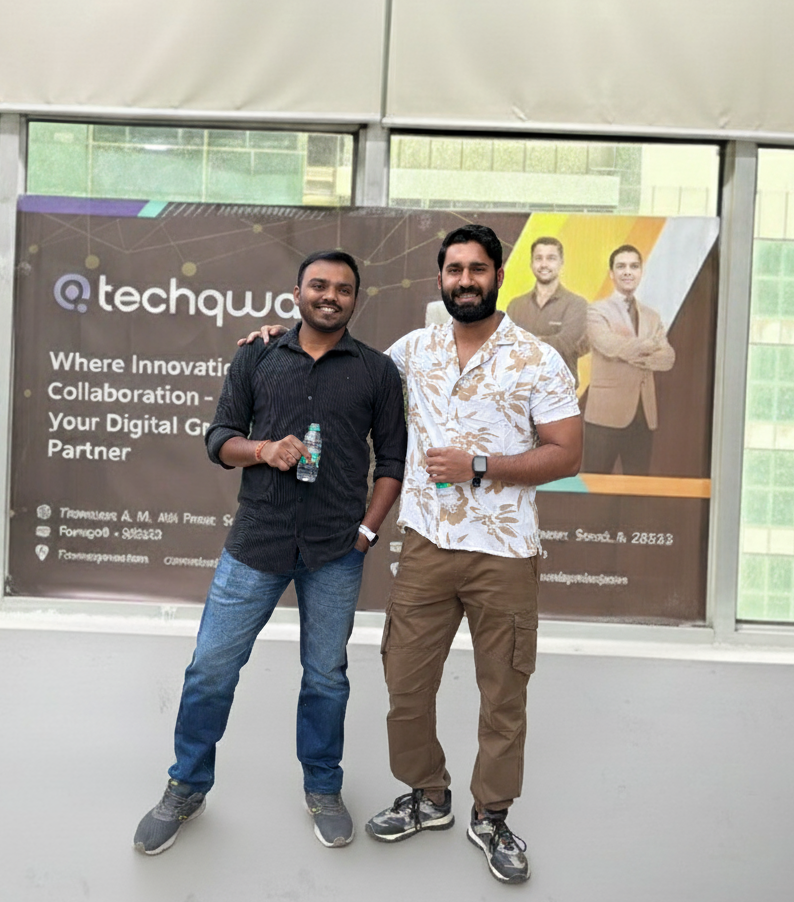 TechQware’s Android App Development Team